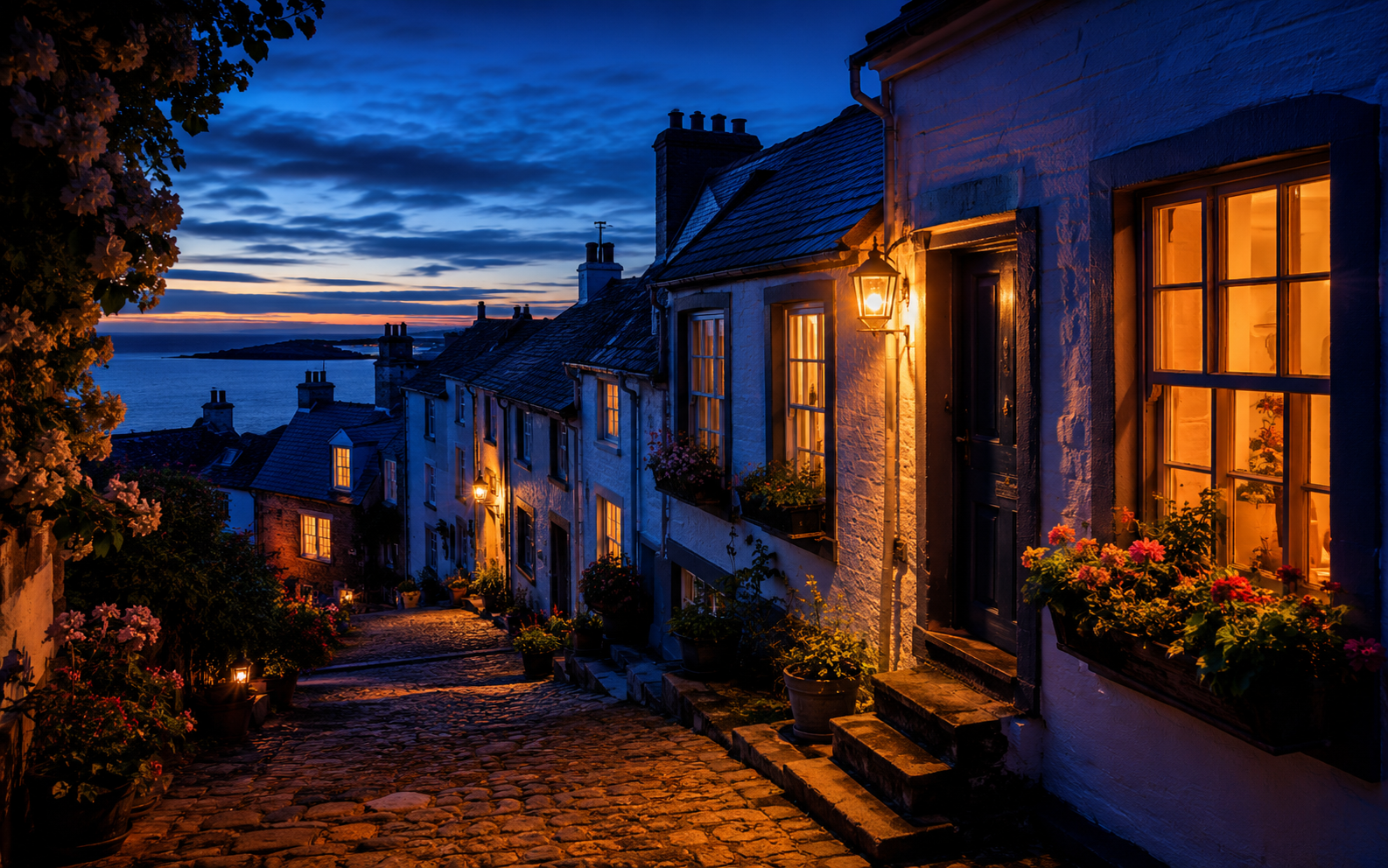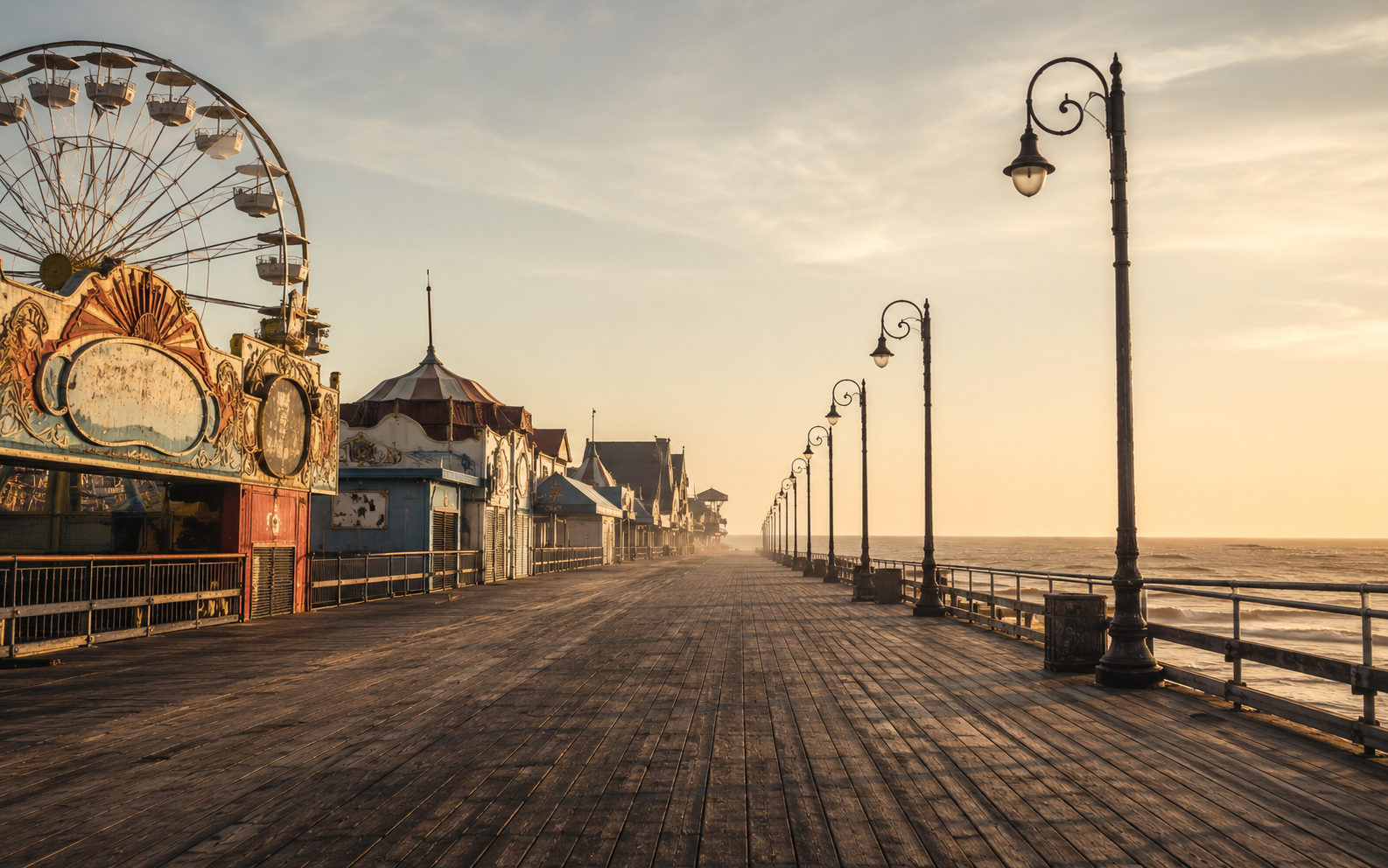
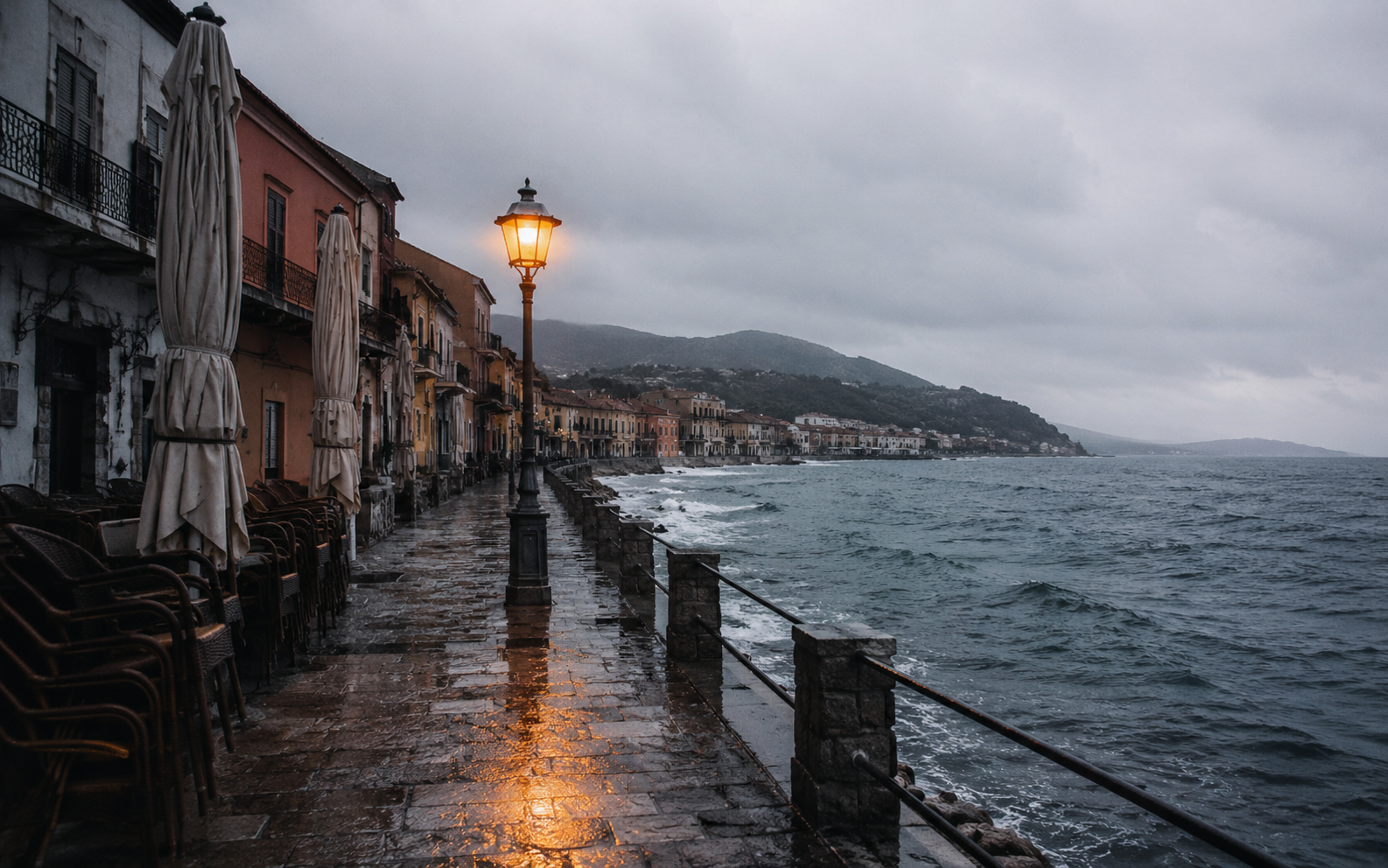
Seaside towns in summer are loud, full of children, and reliably charming in the way every beach photograph promises. But seaside towns in November are something else entirely. They are quieter, slower, and somehow more themselves.
The cafes still open. The harbour still works. But the rhythm changes completely.
The light is different
Out of season, the sun sits lower in the sky. The light slants across the water rather than pouring straight down, and the whole town takes on the quality of a watercolour painting. Photographers know this. Anyone who has walked a beach at four in the afternoon in late autumn knows it too.
The colour palette shifts toward muted greys, soft blues, and the occasional flash of a fishing boat painted bright orange against a grey sea. It is a less obvious beauty than midsummer, but it lasts longer in the memory.
You can hear the place
In peak season, the dominant sound of any coastal town is other tourists. In the off-season, you hear the actual sound of the place: wind in the rigging, the slap of a halyard against a mast, the cries of seabirds, the creak of an old wooden pier. You can stand on a quayside and listen to the town for half an hour without anyone interrupting.
This is when locals start talking to you. They are no longer rushed, no longer overwhelmed. The fishmonger has time for a chat. The barman remembers your face from yesterday.
The pubs become local again
In July, the harbourside pub is full of people who have driven down for the weekend. In November, it is full of people who have lived in the village since the 1970s. The conversations are different. The music is different. The pace is different.
You learn more about a coastal town from a Tuesday night in November than from any summer weekend. The bar becomes a place where stories surface — about the storm of '87, about the boat that went down off the headland in the spring, about the family who used to run the chip shop before the new owners arrived.
What you trade
The trade-off is real. Many restaurants close for the winter. The ferry runs less often. The weather is unreliable. Some attractions simply will not be open.
But that is part of the bargain. You are not visiting a seaside town to see the seasonal attractions. You are visiting to see the town itself, in its true rhythm — and that rhythm only emerges when the crowds have gone home.
Pack a waterproof jacket. Book somewhere with a fireplace. Bring a book you have been meaning to read. And give yourself enough days to slow down to the town's pace, because it will not speed up to meet you.